UK:
UK:  USA:
USA:





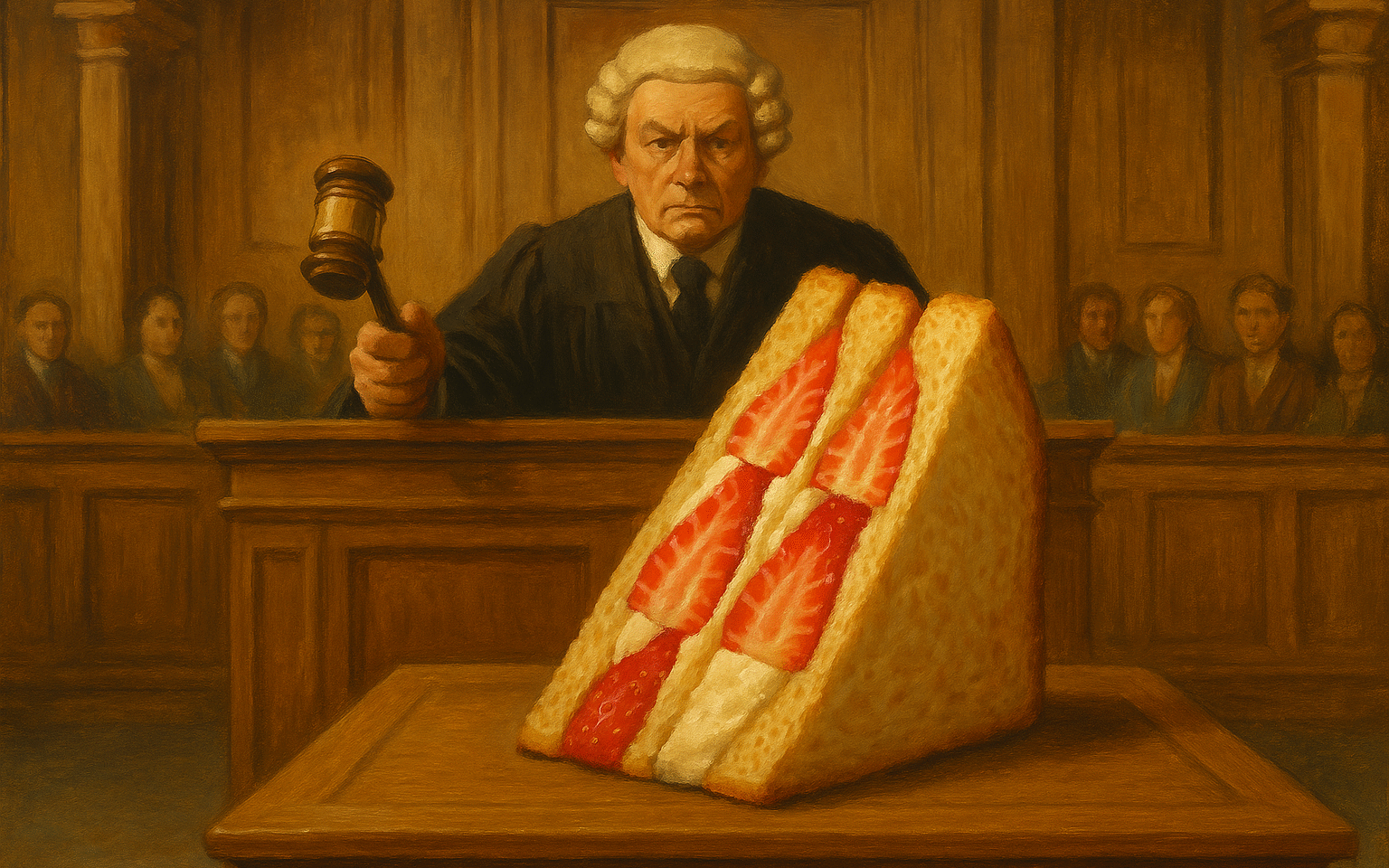
When it comes to food, we all love a good debate—pineapple on pizza, tea before milk, or milk before tea. But for food companies in the UK, the arguments don’t stop at dinner tables; they extend to courtrooms, where the stakes involve millions in tax liabilities.
The latest to spark a VAT debate is Marks & Spencer’s viral strawberry and cream sandwich, which has become the centre of a potential legal showdown with HM Revenue & Customs (HMRCHis Majesty's Revenue and Customs is a non-ministerial department of the UK Government responsible for the collection of taxes.). Inspired by Japanese-style “sando” desserts, the sandwich combines sweet cream cheese, strawberries, and crème fraîche between slices of brioche-style bread. M&S argues it’s a sandwich and therefore zero-rated for VAT, but HMRC is reportedly assessing whether it should be treated as a standard-rated confectionery.
At the heart of the matter is the product’s hybrid nature—it looks and feels like a dessert, but is marketed and sold as a sandwich. If HMRC rules against M&S, it could set a precedent that reshapes how sweet-but-sandwich-like foods are taxed, especially during seasonal promotions or major events like Wimbledon, for which the product was launched.
This isn’t just an isolated curiosity—it’s part of a long tradition of unusual and often high-stakes food VAT battles in the UK and beyond.
A History of Quirky Food VAT Cases
The M&S strawberry sandwich case joins a long line of tax disputes that seem tailor-made for pub trivia. Over the years, the UK has seen food businesses go toe-to-toe with HMRC over classification rulings that affect whether a product is zero-rated or slapped with the standard 20% VAT rate. Here are some of the most talked-about cases:
- Walkers Popadoms: In a recent and still-rumbling dispute, Walkers challenged HMRC’s decision to treat their popadoms as crisps (standard-rated) rather than traditional Indian accompaniments (zero-rated). Walkers argued that popadoms differ significantly from regular crisps in texture, ingredients, and cultural use. HMRC pointed to their packaging and supermarket placement alongside snacks. The outcome could have ripple effects across ethnic and specialty food sectors.
- Jaffa Cakes (1991): Perhaps the most iconic case of all. McVitie’s convinced the courts that Jaffa Cakes were cakes, not chocolate-covered biscuits, securing a zero-rated classification. The argument famously included how cakes and biscuits go stale.
- Greggs Sausage Rolls: Greggs famously restructured its serving methods to ensure sausage rolls were sold cold, making them eligible for zero-rating. This strategic workaround avoided the “hot takeaway food” VAT rules.
- Pringles: Despite their unusual shape and texture, Pringles were ultimately ruled to be potato crisps and thus subject to full VAT. The case turned on their potato content percentage and consumer perception.
- Mega Marshmallows (2024): Innovative Bites Ltd successfully argued that their jumbo marshmallows were intended for cooking, not snacking, and should therefore be zero-rated. The court agreed, marking a win for niche interpretation.
- KFC Dip Pots (2024): A tribunal ruled that dip pots included in meal deals are not separate zero-rated items but part of a standard-rated single supply. This reinforced the bundled-supply VAT rule.
Why These Cases Matter
Each of these cases highlights how VAT classifications are not just about ingredients, but about context: How is the product sold? What does the packaging suggest? Is it a treat or a staple? Even tiny operational tweaks—like serving temperature or shelf placement—can tip the scales.
For food businesses, these aren’t abstract debates. The outcomes influence pricing, profit margins, marketing, and compliance costs. An unexpected VAT bill or reclassification can wreak havoc on financial planning.
The Growing Role of HMRC and Compliance Pressure
HMRC is increasingly vigilant and data-savvy. It’s using AI and analytics to spot anomalies and inconsistencies in VAT treatment. For businesses, this means more proactive compliance measures—investment in tax tech, legal reviews, and supply chain documentation.
While larger firms may afford litigation or expert counsel, smaller companies can be blindsided by tax rulings, leading to severe financial strain or even product withdrawal.
Conclusion
The M&S strawberry sandwich saga is just the latest example of how blurred lines in food classification can lead to sharp tax consequences. As the UK’s VAT system grows more complex and enforcement ramps up, food businesses must tread carefully—because in the eyes of the taxman, a sandwich may not always be just a sandwich.
To navigate these complexities and stay compliant with the latest tax rates, we provide tailored solutions designed to simplify your indirect tax management. With regular updates, automated calculations, and expert support, Innovate Tax ensures your business remains accurate and efficient, no matter how convoluted the VAT landscape becomes.