UK:
UK:  USA:
USA:





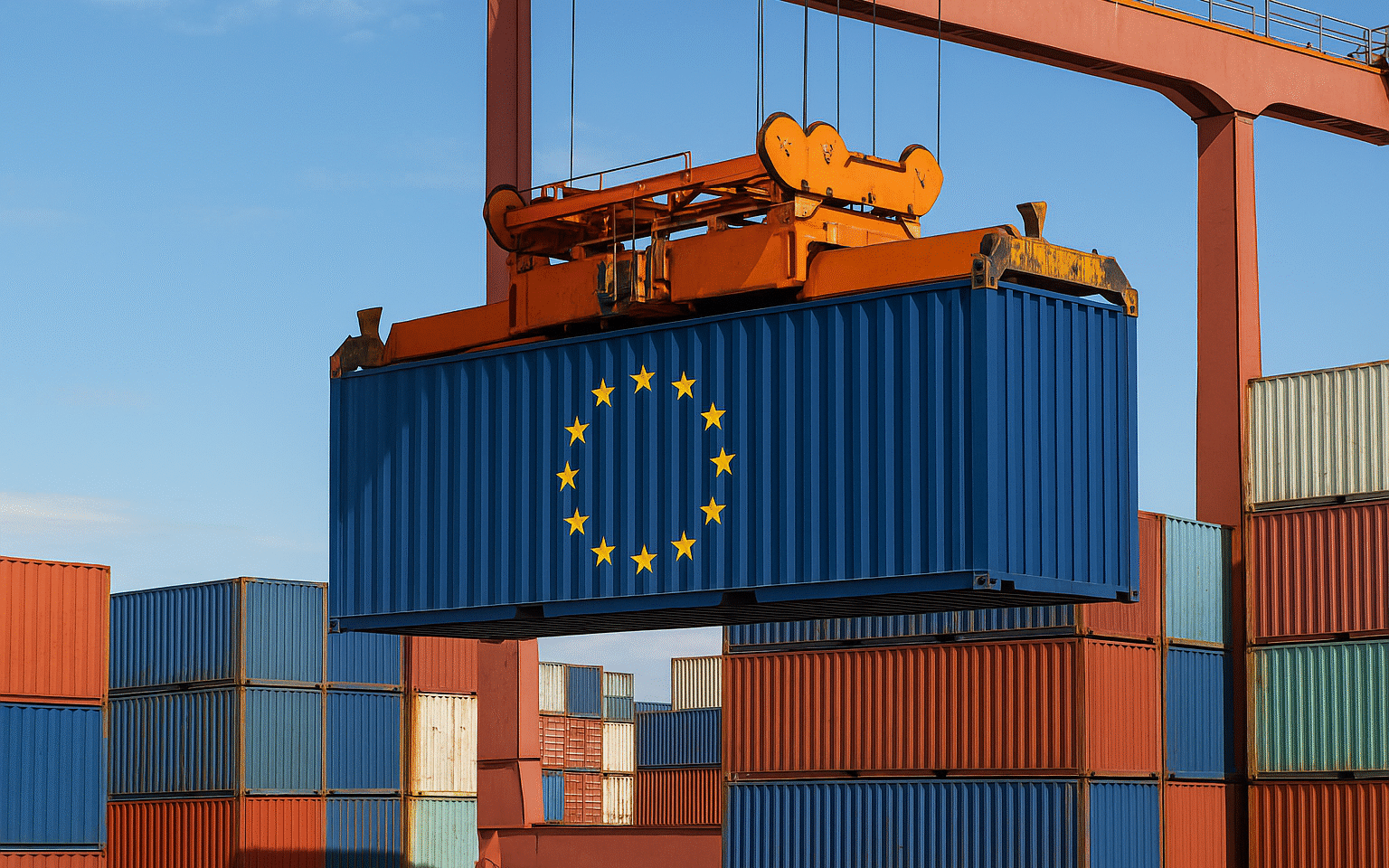
As part of its VAT in the Digital Age (ViDAViDA or 'VAT in the Digital Age', is an EU initiative proposed by the European Commission that seeks to modernise and harmonise VAT processes for member states, by embracing new technologies. It is aimed at updating processes for the management of VAT, and reduce the VAT gap and fraud. The proposal also aims to address challenges in the area of VAT raised by the development of the platform economy.) reform package, the European Union will officially abolish the Import One Stop Shop (IOSS) and related special arrangements for low-value goods under €150 from 1st July 2025.
This marks a significant change for businesses involved in cross-border e-commerce.
What is IOSS and why was it introduced?
The IOSS scheme was introduced in July 2021 to simplify VAT compliance for non-EU and EU sellers shipping low-value goods (€150 or less) to EU consumers.
It allowed sellers to collect VAT at the point of sale and report it through a single EU portal. This removed the need for VAT collection at the border and reduced delivery delays. For postal and courier operators, a special arrangement existed which allowed them to collect VAT from customers at the point of delivery if the seller had not registered for IOSS.
What is changing from 1st July 2025?
Under the ViDA reform, the EU will introduce two significant changes affecting low-value goods imported from outside the EU:
Abolition of the IOSS scheme for goods under €150
Businesses will no longer be able to collect EU VAT at checkout for goods under €150 using the IOSS. Instead, standard import VAT procedures will apply to all consignments, regardless of value.
End of the special arrangements for postal operators and couriers
Postal and delivery services will no longer be able to collect VAT on delivery for low-value shipments. All goods will now require full customs declarations, and import VAT must be paid or deferred through normal import channels.
Why is this change being introduced?
The EU aims to address a number of concerns:
-
Some non-EU sellers have avoided using IOSS, leading to lower VAT collection
-
There have been ongoing issues with under-declared goods to exploit the €150 threshold
-
Removing the threshold aligns with wider customs modernisation and aims to standardise procedures across all imports
The intention is to ensure more consistent VAT treatment and close remaining compliance gaps.
What does this mean for businesses?
For sellers and marketplaces shipping goods to EU customers, the end of IOSS and the special arrangement means that:
-
VAT can no longer be collected at the point of sale using IOSS for low-value goods
-
All imports into the EU will be subject to regular customs procedures, including full declarations and payment or deferral of VAT
-
The risk of delays at the border may increase if VAT and customs obligations are not properly handled
-
Marketplaces and platforms may face additional compliance responsibilities, depending on their role in the supply chain
Businesses will need to review their current processes and ensure they are prepared for these changes in order to maintain a smooth customer experience and compliance with EU VAT law.
Next steps
Businesses and intermediaries affected by this change should follow official EU guidance and monitor for further developments. The European Commission is expected to provide supporting information and implementation details ahead of the July 2025 deadline.
For more information, refer to the VAT in the Digital Age reform updates and the EU’s official taxation and customs portal.