UK:
UK:  USA:
USA:





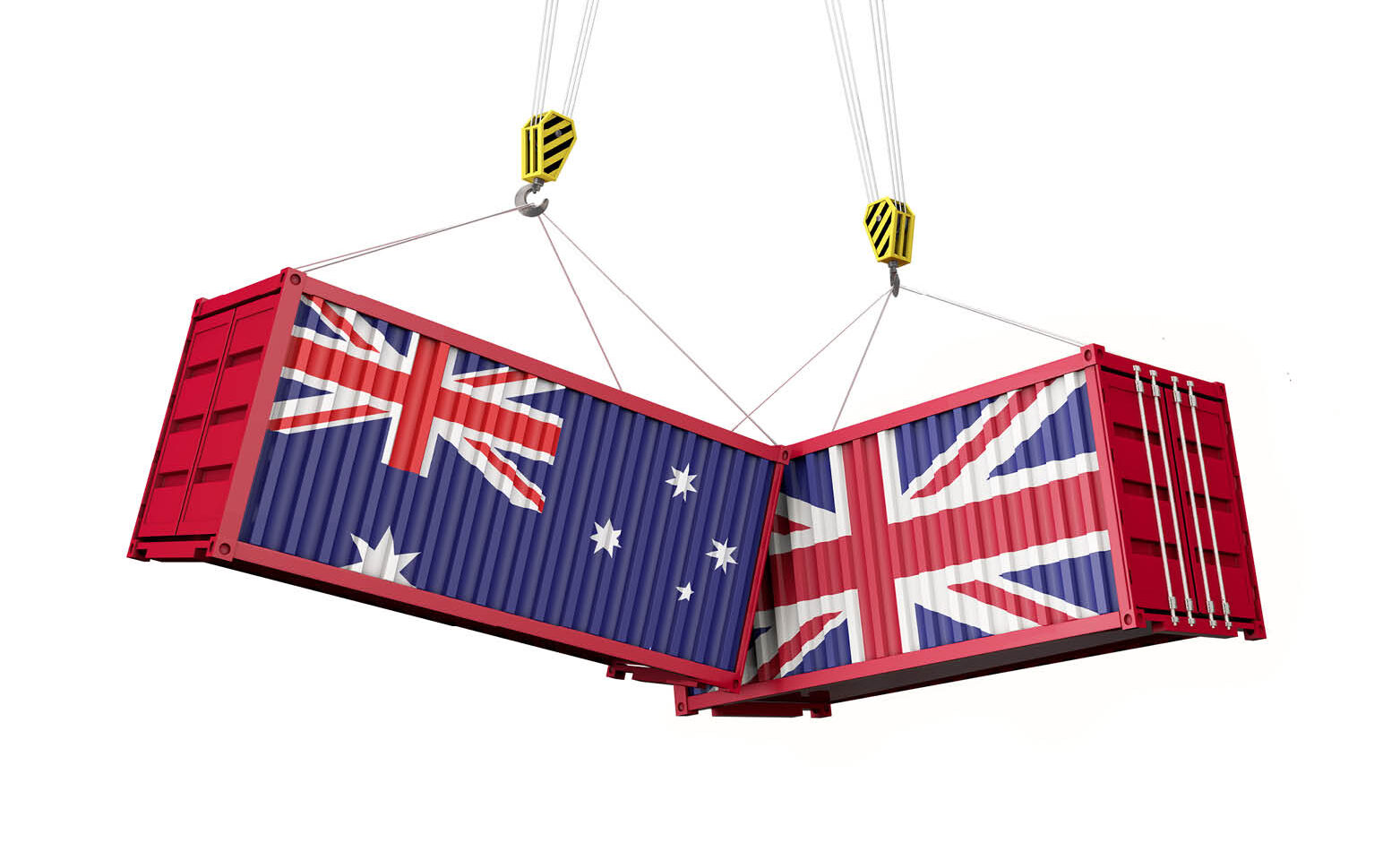
At midnight on 31st May, the UK’s much-anticipated free trade deals with Australia and New Zealand came into effect.
Agreements with the two countries are the first to be negotiated from scratch since the UK left the European Union and will transform the way goods and services are traded between the nations.
What’s covered in the new free trade deals?
According to the UK government, the terms of the free trade deals will be beneficial for both British businesses and consumers; removing costly tariffs on a huge range of goods and potentially helping to lower prices.
Tariffs on all goods exported to Australia and New Zealand have been removed, unprecedented access to the markets Down Under has been secured for services and red tape surrounding digital trade and work visa have been cut.
In return, UK consumers should enjoy lower prices on goods that are imported from Australia and New Zealand; including kiwi fruit, wine and Tim Tams.
What other benefits are there?
In addition to the complete removal of tariffs on exports to the two nations, businesses will enjoy:
- Increased flexibility in rules of origin.
- Advanced rules on digital trade that unlock the free flow of data and provide an assurance to companies that their intellectual property is protected.
- Opportunities to expand the low-carbon economy by applying liberalised tariffs on green goods.
Are there any concerns?
The most significant raised by some groups is the potential impact of the free trade deal on the UK farming industry.
As a large and competitive exporter of agricultural goods, there are fears Australian producers could be able to undercut their British counterparts, with the National Farmers’ Union stating “there is little in this deal to benefit British farmers”.
In response, the UK government has promised market access for Australian producers will be phased in for key products, such as beef and lamb. There will be a new quota system introduced to limit the number of tariff-free imports of certain products from Australia for the next 10 years.
What do tax professionals need to do?
If your team manages tax manually – including determination, application and calculation of duties for every import or export you complete – you’ll need to fully understand the precise terms of the new free trade deals between the UK and Australia and New Zealand and ensure the correct rates, taxes and restrictions are adhered to with immediate effect.
This can be a substantial task and one that is fraught with risk; how realistic is it to achieve complete accuracy and therefore compliance when the new regulations are new, extensive and plagued with nuances?
Of course, we recommend relying on an automated tax solution – whether it’s integrated with Oracle, SAP or any other ERPEnterprise resource planning (ERP) is a type of software that organisations use to manage main business processes. – to ensure maximum speed, efficiency and, most importantly, accuracy.
A high-quality automated tax solution should apply all the latest rates and rules to every transaction, providing you with peace of mind that you are paying and collecting the correct duties every step of the way.