UK:
UK:  USA:
USA:





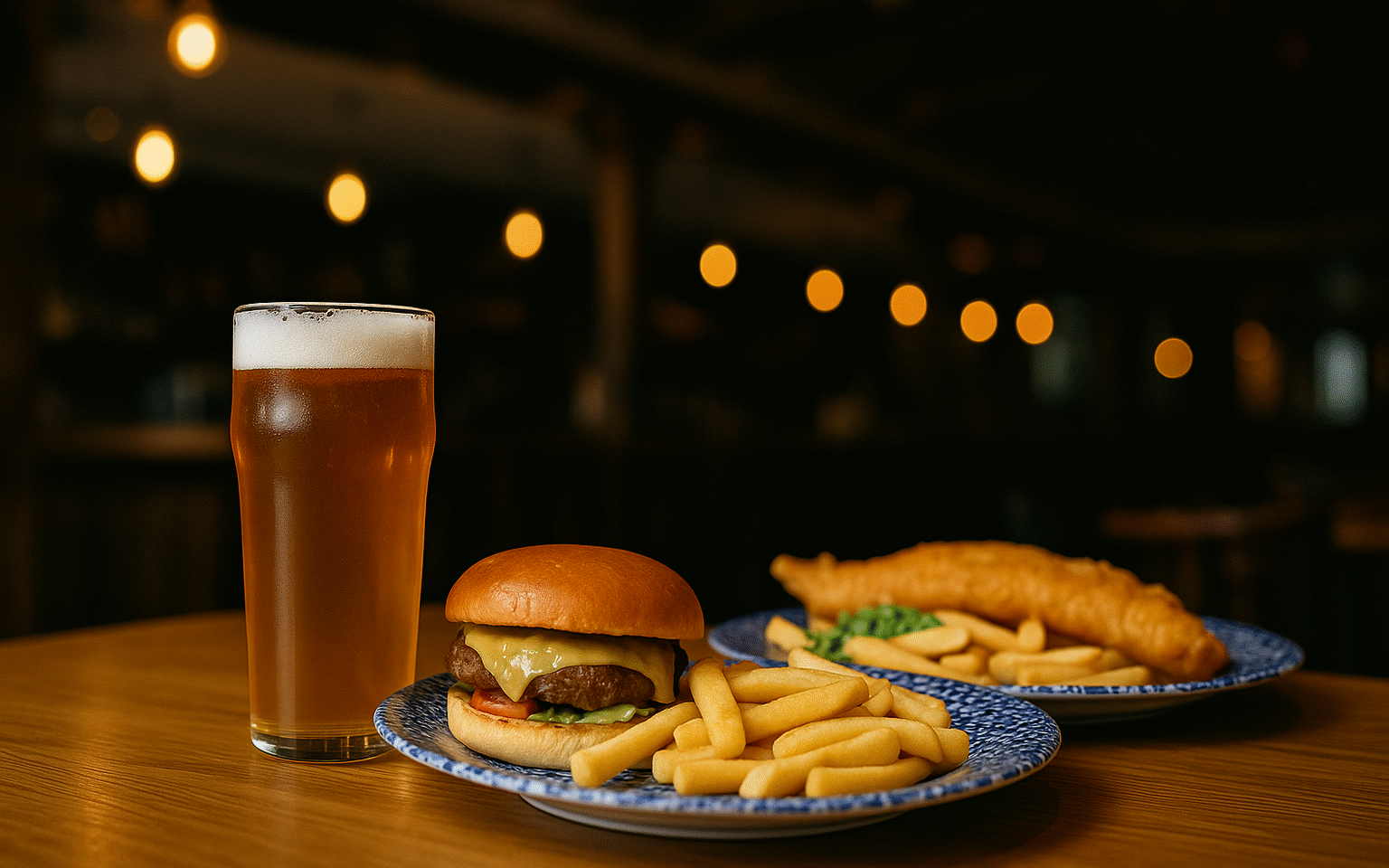
Today marks Tax Equality Day, when pubs, restaurants and cafés across the UK come together to highlight the unequal way VAT is applied across different industries. The campaign is led once again by Wetherspoons, which has cut its prices by 7.5 per cent for one day only to show customers how much VAT adds to the cost of food and drink.
What is Tax Equality Day
Tax Equality Day is designed to draw attention to a simple but important point: not all industries are treated equally under VAT rules. While supermarkets sell most food without charging any VAT at all, hospitality businesses are required to charge the standard 20 per cent VAT rate on meals and soft drinks.
The effect is obvious to anyone who eats out. A sandwich bought in a supermarket carries no VAT, yet the same sandwich in a pub or café is subject to a 20 per cent tax. For hospitality businesses, this creates a structural disadvantage, forcing them to either absorb the cost or pass it directly onto the customer.
Why Wetherspoons and others are cutting prices
Wetherspoons has reduced the price of food and drink in its pubs today by 7.5 per cent to show customers what the effect of a VAT cut would look like. The chain has supported the campaign for years, arguing that a fairer VAT system would help keep pubs open and prices affordable.
Other pubs, bars and restaurants across the country are also using the day to offer discounts or run promotions, each aiming to make the same point — that hospitality is carrying a heavier tax burden than comparable industries.
The impact of unequal VAT
The disparity has long been criticised by business leaders. Hospitality has some of the highest operating costs of any sector, with rising wages, food inflation and energy prices all squeezing margins. Adding 20 per cent VAT on top of every bill makes it harder for pubs and restaurants to compete, particularly against supermarkets and other outlets that can sell food at lower prices.
During the pandemic, the government temporarily cut VAT for hospitality to 5 per cent. This relief was widely welcomed, helping businesses stay afloat at a time of extreme pressure. When the rate eventually returned to 20 per cent, many warned that the sector was once again at risk, with closures and job losses following.
A question of fairness
Campaigners argue that VAT should be about fairness and simplicity. At present, the system does neither. It creates a competitive imbalance, it confuses customers, and it complicates compliance for businesses.
Hospitality leaders, backed by UKHospitality and other trade bodies, have called for a reduced VAT rate, often suggesting 12.5 per cent, to bring the UK in line with many European countries where lower rates apply to hospitality. They argue this would boost the sector, protect jobs and encourage consumer spending.
Why it matters today
Tax Equality Day is not just about one day of cheaper pints or discounted meals. It is about raising awareness of a system that many see as outdated and unfair. By taking part, businesses hope to spark a wider conversation about how VAT should evolve and how government policy can support industries that are central to both the economy and the community.
Whether you are buying a pint at Wetherspoons today or eating lunch at a local café, the message is clear: VAT matters, and the current system leaves hospitality at a disadvantage compared to supermarkets and other industries.