UK:
UK:  USA:
USA:





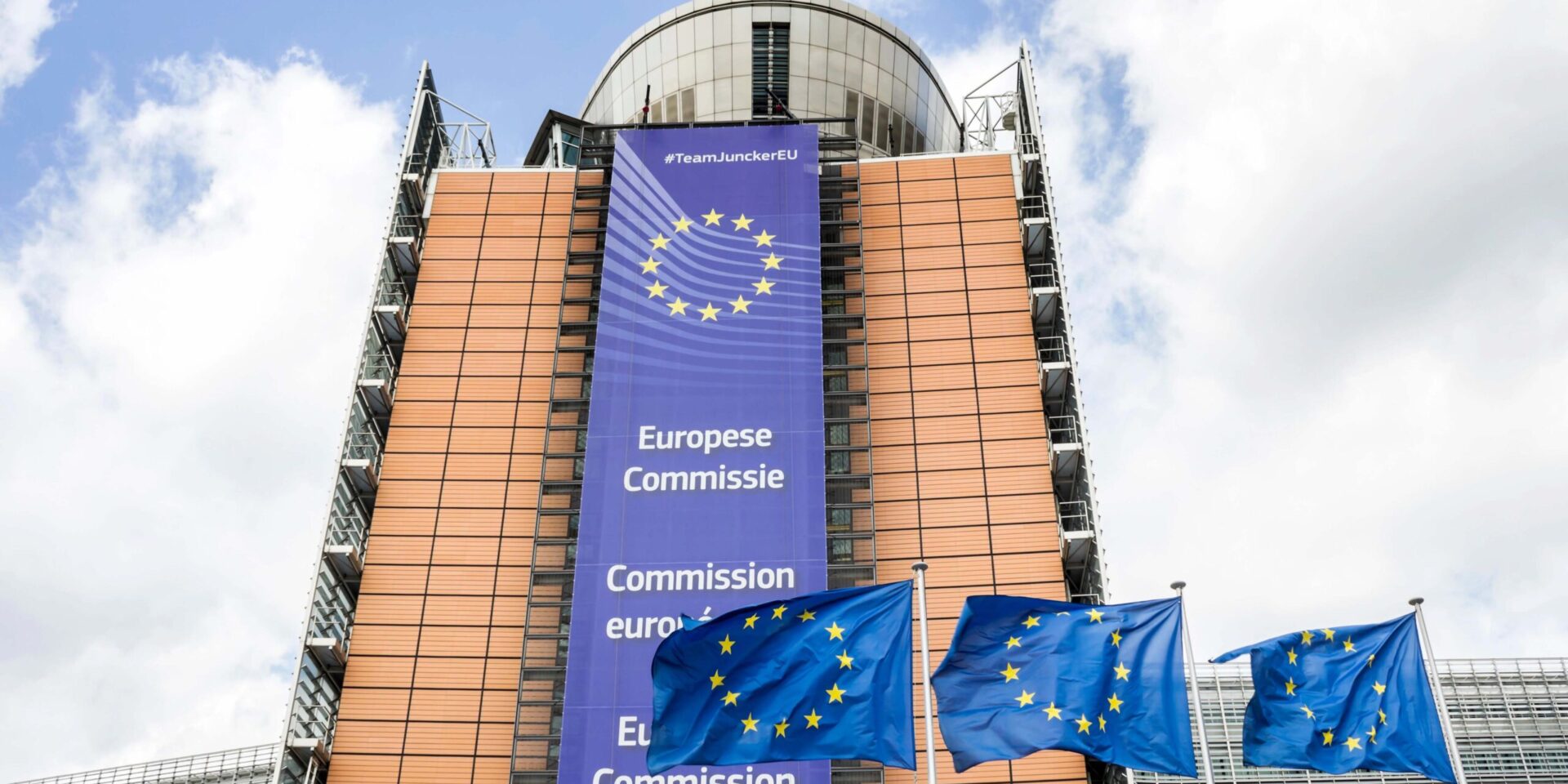
Whilst much of the focus in the tax industry has been on the new VAT in the Digital Age (ViDAViDA or 'VAT in the Digital Age', is an EU initiative proposed by the European Commission that seeks to modernise and harmonise VAT processes for member states, by embracing new technologies. It is aimed at updating processes for the management of VAT, and reduce the VAT gap and fraud. The proposal also aims to address challenges in the area of VAT raised by the development of the platform economy.) package, any upcoming deadlines and new legislation, implementation is now becoming increasingly important.
The latest discussions within the European Commission’s VAT Committee provide some insight into how the new requirements could work in practice and the potential challenges businesses need to consider.
During its 128th meeting, the Committee discussed a number of areas relating to ViDA implementation, including Digital Reporting Requirements (DRR), e-commerce, Single VAT Registration and the technical development of the new digital processes.
For businesses, this marks an important shift. ViDA is no longer simply something to prepare for in the future. Work is now underway to develop the practical guidance and technical approaches that will support its implementation, making it increasingly important for businesses to understand not just what ViDA requires, but how they will actually meet those requirements.
One particularly interesting discussion focused on the reporting of VAT rates and VAT amounts on intra-Community transactions. Under the new Digital Reporting Requirements, these details will need to be reported by the customer, but they will not necessarily be included on the e-invoice itself.
The Commission therefore proposed a pragmatic approach. Where the VAT rate and VAT amount are included on the invoice, the customer would report those values. Where they are not included, the proposed solution would allow the customer to submit zero values rather than having to introduce additional processes to obtain information that simply isn’t available from the invoice. Most delegations supported the approach, although an amendment to the VAT Directive would be required.
While this may appear to be a relatively technical detail, it highlights a much broader consideration for businesses preparing for ViDA: digital reporting is only as effective as the tax data and processes sitting behind it.
The Chair also stressed the importance of a common approach across Member States. Without one, different national approaches could result in inconsistent information being reported to VIES, creating further complexity for businesses operating across multiple EU countries.
This is where the wider tax technology landscape becomes increasingly important. Businesses will need to think carefully about where their VAT data comes from, how the tax treatment is determined and how that information flows between their ERPEnterprise resource planning (ERP) is a type of software that organisations use to manage main business processes., tax technology, e-invoicingElectronic invoicing - widely referred to as e-invoicing - is the exchange of a digital document between a supplier and a buyer. E-invoices are issued, transmitted and received in a structured data format that enabled automatic and electronic processing. They contain data in a machine-readable format so that an AP system can read an invoice without manual data entry, leading to faster and more efficient invoicing. and reporting processes.
For example, if the correct VAT treatment isn’t determined at the point of transaction, an automated reporting process won’t solve the problem. Equally, if the underlying customer, supplier or product data is incomplete or inaccurate, that can create issues further down the process. As reporting becomes increasingly digital, having accurate and accessible tax data will be just as important as having a compliant reporting mechanism.
This means that ViDA shouldn’t be viewed simply as an e-invoicing project. E-invoicing is an important component, but it sits within a much wider flow of tax information — from the original transaction and tax determination, through to invoicing, digital reporting and reconciliation.
For businesses, now is therefore a good time to look at how these processes work together. Where does your VAT data currently come from? How is tax determined across your ERP landscape? Does your e-invoicing solution have access to the information it needs? Can the required data be extracted and reported efficiently? And are your underlying master data and controls robust enough to support increasingly automated VAT reporting?
The discussions demonstrate that the focus is moving from what ViDA requires to how those requirements will work in practice. While there are still details to be finalised, businesses don’t need to wait for every element to be confirmed before assessing their readiness.
Here at Innovate Tax, we believe it’s important to identify potential data gaps and to take into consideration how tax determination, e-invoicing and digital reporting will work together. We’ve worked with countless businesses to assess their readiness for the upcoming changes and worked together to build a more resilient approach. Want to chat to one of our tax tech experts? You can book an initial call here.